
If you don’t hire a pro, you are not a pro.
"Your BFF Is Not a Headshot Photographer: A Stern but Loving PSA for Actors"
I get it. I do. Headshots are expensive. But doing it wrong is more expensive. It’s called “alternative cost.” And what that means, in short, is that there are no refunds on bad first impressions. If you do it wrong, you do lasting damage. As the old adage says, “fire yourself from what you’re not an expert in.”
You’re an actor. THAT is your talent. But, and we say this with love — you are not a professional headshot photographer. And neither is your roommate, your cousin with a Canon Rebel, or that your friend with the new iPhone 17.
Here’s the truth: Your headshot is your first audition. It's the thing casting directors see before they ever hear your monologue, your vocal range, or your emotionally complex take on a part. It is your digital handshake. Your visual business card. Your one-inch shot at stardom. And on-and-on. It’s important.
So why, in the name of Daniel Day-Lewis, would you entrust that to someone whose portfolio includes selfies, a picture of a squirrel, and a “portrait” of their dog in sunglasses?
Here’s what you NEED to know.
1. Lighting Is a Thing. A Real Thing.
Professional photographers know how to light your face like a Rembrandt painting without making you look like you’re melting under interrogation lights. Good lighting is about more than light, though. It’s about using specific lighting setups for each actor specific to their look and their brand. High-contrast cross light for intensity, soft light for warmth and accessibility, beauty lighting for leading ladies, etc. Lighting IS an essential part of your branding. I’ve mastered that. Your friend with the iPhone hasn’t.
2. Lenses Matter — Unless You’re Trying to Look Like a Potato
Wide-angle lenses are for real estate photography. Not your face. You need someone who understands focal length, not someone who shrugs and says, “Let’s just see what happens.”
As a professional headshot photographer I get this. I know how to choose the right lens to make your jawline pop without turning you into a Pixar character. Seriously, I know the specific lens for each look, and for each face, and for each mood.
3. Your Vibe Is a Brand (Yes, Even If You Hate That Word)
You may think of yourself as a “chameleon,” but your headshot needs to suggest a specific human — one that someone might cast. I am more than someone who takes photos. I’m someone who can help capture you at your most type-castable. And help you determine what that is. Honestly. Which isn’t always easy. But is always vital. I can help you get past silly “types” to a deeper understanding of your brand.
4. Editing Should Enhance, Not Erase Your Soul
Yes, Photoshop is a powerful tool. But it should not be used to remove your entire human essence. My team of pro retouchers know how to retouch correctly, so we erase the pimples, but leave the personality.
5. There Is No Refund on Bad First Impressions
Casting directors scroll fast. You get a fraction of a second. If your headshot looks like it was taken in a garage next to some laundry, guess what? You just became Barrista #7. Background actor stuff. And look, maybe you’re fine with being in the background. But I suspect you're not. You're reading a blog about headshots.
6. You Actually Save Money by Not Cutting Corners
Here’s the irony: that $50 shoot from your friend with “a good eye” is going to cost you. In missed opportunities. In endless reshoots. In therapy. You know what costs less than doing it wrong five times? Doing it right once.
7. You're a Professional. So Act Like It.
Imagine a casting director looking at your self-taken, over-filtered photo and thinking: “Yes. This is clearly someone who takes their career seriously.” Yeah. No. Actors who want to be taken seriously invest in their tools — their training, and yes, their headshots. Go big or go home. Really. Stop cutting corners so you can cut through the clutter.
You’re an artist first. But performing artists needs branding. Positioning. P.R. …Not just pictures.
I hope this helps.
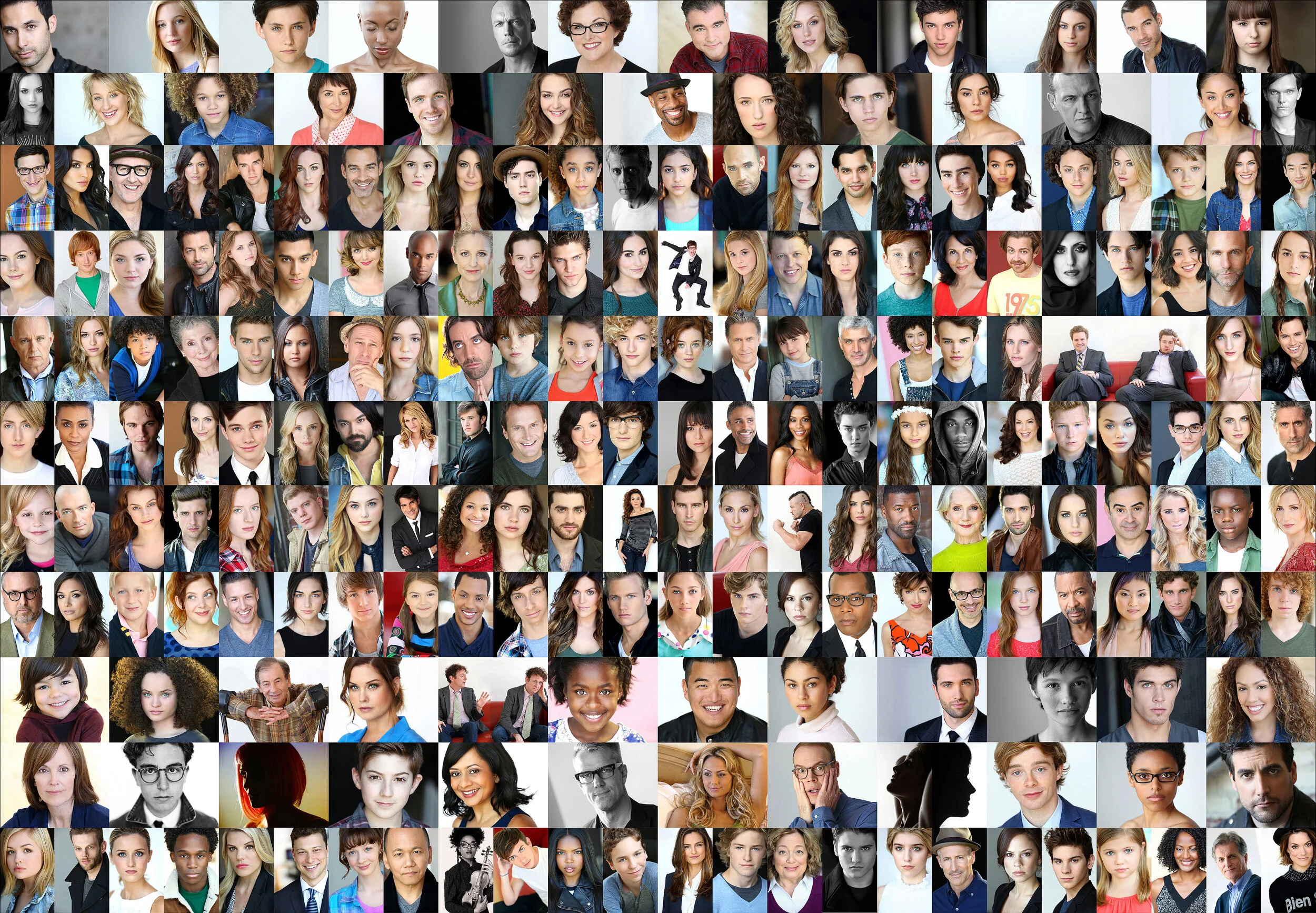
With over 8,000 sessions shot, I’ve learned that none of those 8,000 people are the same.
